
Maseno University and UNC Lineberger Partner to Advance Cervical Cancer Research and Care
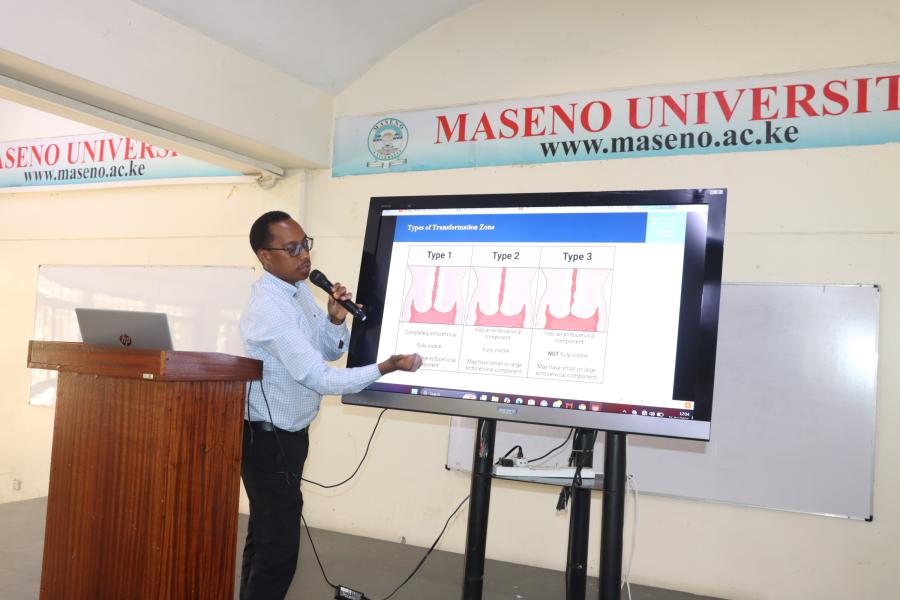
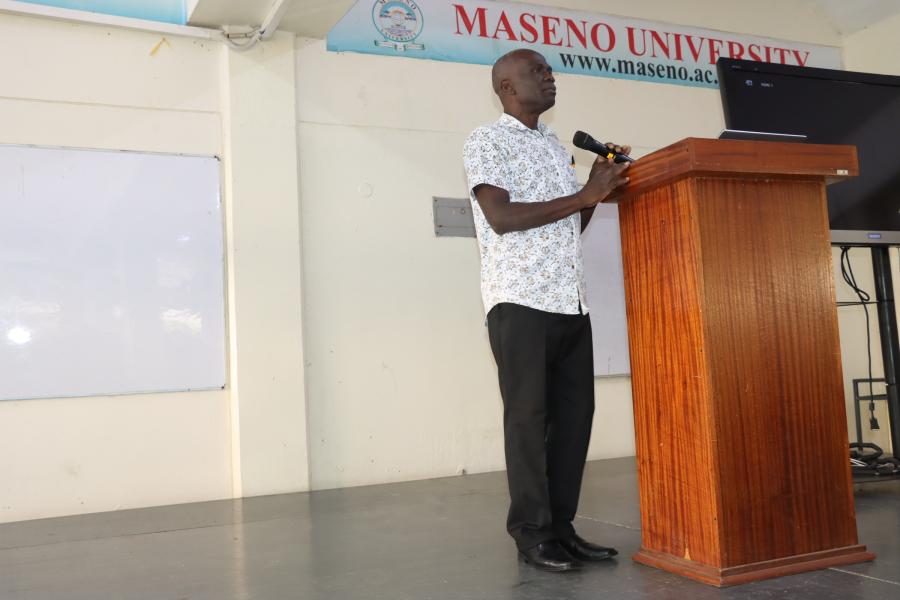
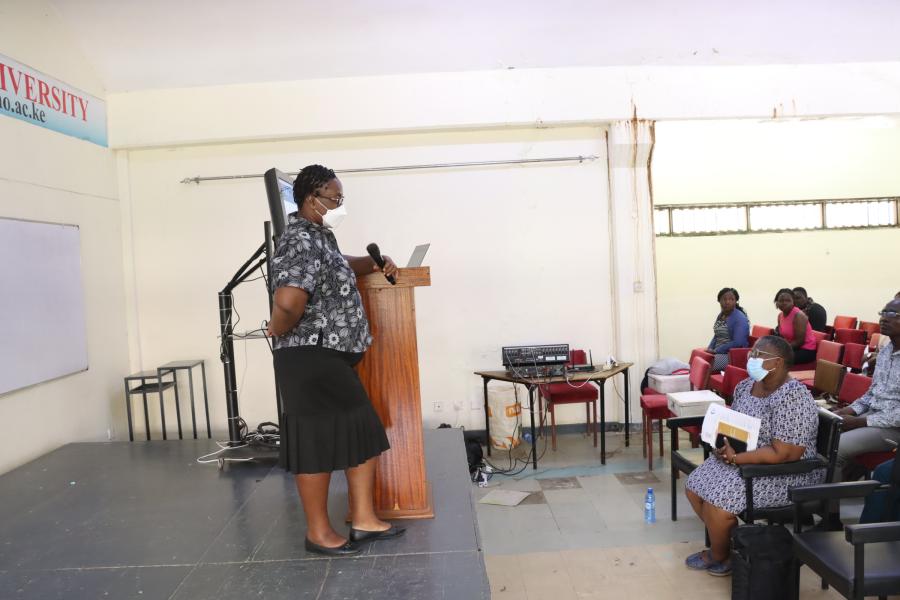
Maseno University, in collaboration with the University of North Carolina Lineberger Comprehensive Cancer Center, hosted a high-level Scientific Seminar at the Kisumu Campus on 1st April 2026, bringing together healthcare professionals, researchers and policy stakeholders to strengthen Cervical Cancer Prevention and Treatment in Kenya.
The seminar, aimed at supporting victims of Invasive Cervical Cancer and Advancing Clinical Research, focused on the implementation of a Phase II study titled Adjuvant 5-Fluorouracil Following Thermal Ablation to Improve HPV Treatment Outcomes in Women with HIV in Kenya. The study seeks to enhance treatment outcomes for women living with HIV, who face a significantly higher risk of developing Invasive Cervical Cancer due to persistent high-risk Human Papilloma Virus (HPV) infections.
The event commenced with opening remarks by Dr. Jacktone Omoto, Associate Dean, School of Medicine, Maseno University who welcomed participants and underscored the importance of collaborative research in addressing pressing public health challenges. He also introduced facilitators from the comprehensive Cancer Centre and representatives from the University of North Carolina.
This was followed by technical presentations led by Dr. Peter Ndegwa and his team, who highlighted Strategies for Strengthening Cervical Cancer Prevention, Improving Screening and Treatment Outcomes and Addressing Prevalent Myths and Misconceptions surrounding the disease. The discussions emphasized the critical role of evidence-based interventions in reducing disease burden, particularly in low- and middle-income countries.
In line with guidelines from the World Health Organization and Kenya’s National Cancer Control framework, the seminar reiterated the effectiveness of the “screen-and-treat” approach, which relies on HPV testing followed by same-day treatment using ablation or excision methods. Thermal ablation, a procedure that uses a heated probe to destroy abnormal cervical cells, was highlighted as the most accessible and widely used treatment method in Kenya and similar settings.
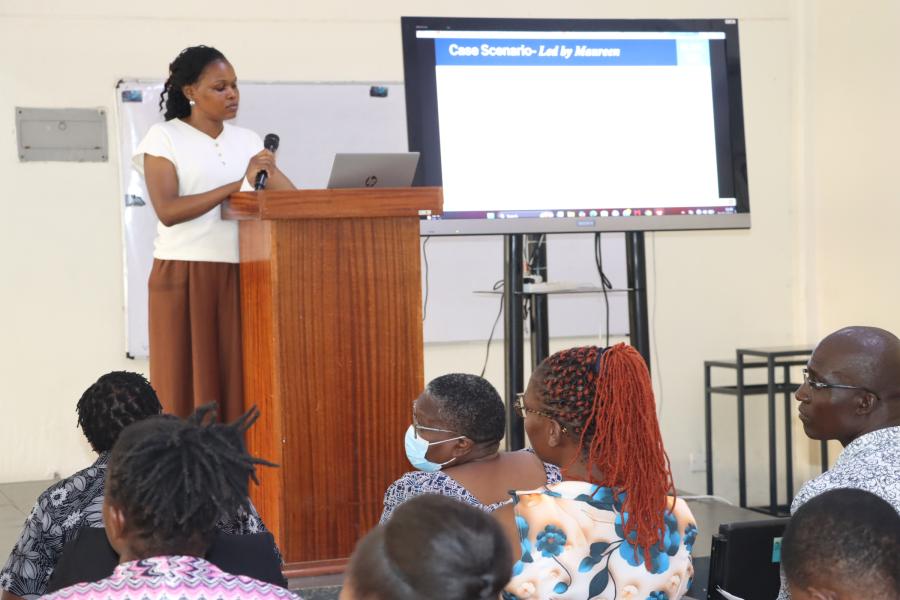
Participants actively engaged in interactive sessions that featured case scenarios and clinical dilemmas, providing a platform for healthcare practitioners to share experiences from their respective practice settings. These insights were subsequently reviewed and contextualized by Sella Akinyi, Head of Cervical Cancer Program in Kisumu County, who offered valuable perspectives on local implementation and challenges.
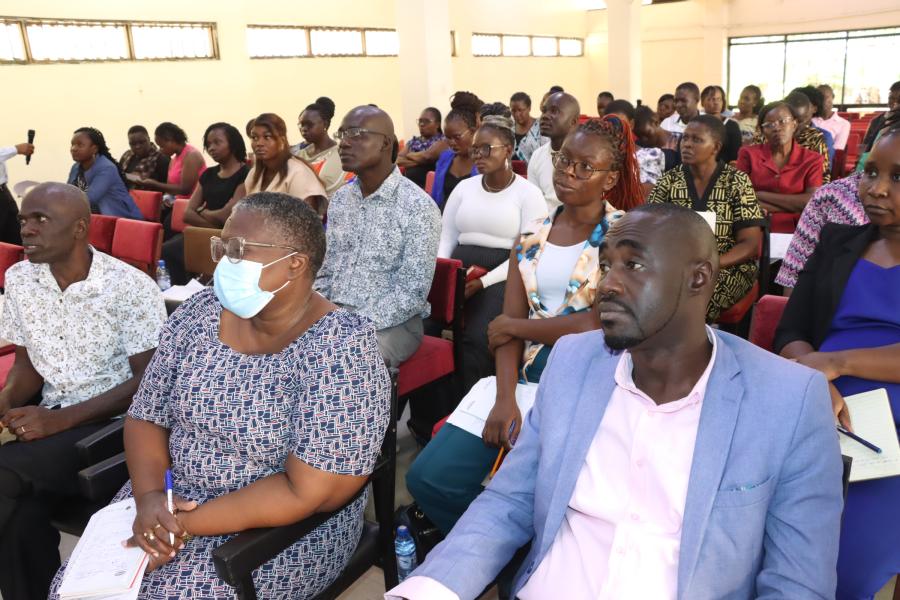
The seminar was also graced by Dr. Fredrick Oluoch, County Director of Health, whose presence underscored the county government’s recognition and support of the collaborative efforts between Maseno University School of Medicine and the University of North Carolina.
Globally, Invasive Cervical Cancer remains a major public health concern despite being largely preventable. Low- and middle-income countries bear the greatest burden, accounting for approximately 85% of the 570,000 new cases and 90% of annual deaths. Women living with HIV are particularly vulnerable, with a six to eightfold increased risk of developing the disease.
The seminar concluded with a renewed commitment from all stakeholders to strengthen partnerships, enhance research, and scale up effective interventions aimed at reducing the burden of cervical cancer. The collaboration between Maseno University and UNC Lineberger reflects a shared vision of leveraging research, innovation, and capacity building to improve health outcomes and save lives across Kenya and beyond.